

Alternatives to What Time
What Time eliminates scheduling friction by instantly comparing time zones and planning meetings across global teams, boosting coordination.
Explore 14 alternatives to What Time. Compare features, pricing, and find the best fit for your needs.
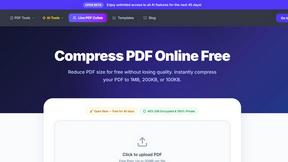
PDF Pro AI
Privacy-first AI document tool — analyze medical reports, bank statements & salary slips 100% in-browser. No uploads, no signup, free.
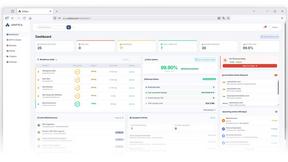
Unifyca
Unifyca centralizes WordPress site documentation, maintenance, and backups into one platform to boost agency productivity and eliminate information.
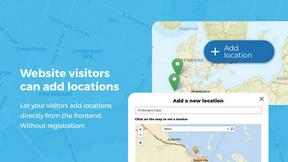
Open User Map
Open User Map is a WordPress plugin that lets visitors submit locations to your interactive map with approval workflows and no coding required.
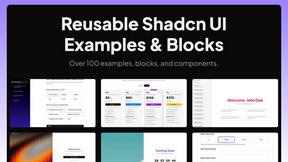
Shadcn Examples
Accelerate web app development with production-ready Shadcn UI components and templates for React and Tailwind CSS.
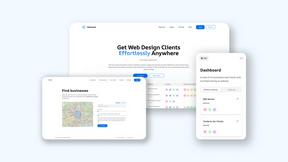
Webleadr
Webleadr enables you to effortlessly find and contact web design leads and businesses without websites in just a few clicks from anywhere.
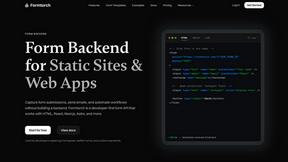
Formtorch
Formtorch enables developers to manage form submissions effortlessly, eliminating the need for backend setup and streamlining workflow automation.

Idearium
Idearium builds high-converting websites that drive measurable business growth and ROI.
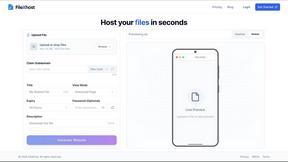
FilexHost
Effortlessly host and share any file with a secure, shareable link in seconds using FilexHost's intuitive drag-and-drop.

Crawlkit
CrawlKit is a unified API platform that turns any website into structured data for enterprise automation and insights.

Best Boilerplates
Best Boilerplates accelerates SaaS launches by comparing tailored features, pricing, and tech stacks.
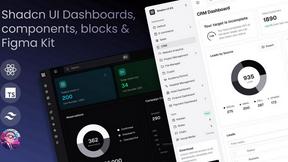
Shadcn UI Kit
Shadcn UI Kit accelerates development with pre-built components and templates to reduce costs and launch faster.

Clio Websites
Clio Websites creates custom, high-converting websites with SEO strategies that elevate your online presence and drive.
Hostim.dev
Hostim.dev deploys Docker apps with managed databases on EU infrastructure for predictable, compliant hosting.
About What Time Alternatives
In today’s distributed work environment, the ability to coordinate across time zones without friction is a direct driver of operational efficiency and revenue retention. What Time is a modern, enterprise-grade time zone and meeting planner tool designed specifically for remote teams, freelancers, developers, and global businesses. It falls within the time zone management and scheduling software category, a critical component for organizations managing cross-border collaboration, client meetings, and asynchronous workflows. While What Time offers a clean interface and robust UTC/GMT offset support, users frequently evaluate alternatives due to evolving needs around pricing scalability, advanced calendar integrations, team management features, or specific platform compatibility requirements that may not align with every organization’s existing tech stack or budget constraints. When assessing alternatives to What Time, decision-makers should prioritize tools that deliver measurable productivity gains, such as reducing scheduling errors by over 40% or cutting the time spent on manual time zone calculations by half. Key evaluation criteria include: real-time accuracy across daylight saving transitions, API availability for custom integrations, mobile responsiveness for on-the-go teams, and collaborative features like shared meeting slots or team availability views. Additionally, consider total cost of ownership against the volume of cross-time-zone meetings your organization handles daily. The right alternative should not only match What Time’s core functionality but also offer demonstrable improvements in meeting attendance rates, reduced rescheduling costs, and streamlined global coordination without introducing unnecessary complexity.
FAQs about What Time Alternatives
What is What Time?
What Time is a fast and modern time zone platform built for remote teams, freelancers, developers, businesses, and anyone working across multiple countries. It enables users to instantly compare time zones, check UTC and GMT offsets, view local times worldwide, and plan meetings across different regions without manual calculations. The tool is designed to eliminate confusion caused by daylight saving changes and provides a clean, distraction-free interface optimized for speed and usability.
Who is What Time for?
What Time is designed for remote teams, freelancers, developers, businesses, and global professionals who frequently coordinate across multiple time zones. It is particularly valuable for teams managing distributed workforces, client-facing roles that book international calls, and anyone involved in global market trading or cross-border collaboration. The platform serves as a productivity tool for any organization seeking to reduce scheduling errors and accelerate meeting planning workflows.
What are the main features of What Time?
Key features include time zone comparison between cities and countries, UTC and GMT offset lookup, and a meeting planner that helps users quickly find overlapping working hours across regions. The platform also offers a fast, mobile-friendly interface with a clean UI designed for quick access and readability, along with an accurate world clock that supports daylight saving time changes. It is built to provide a clutter-free experience with no unnecessary setup required.
Is What Time free to use?
Based on its product description, What Time is positioned as a modern, accessible tool with no clutter and no unnecessary setup, suggesting a low-friction entry point for users. While specific pricing details are not provided in the available content, the platform’s design emphasis on speed and usability indicates it is intended to be immediately available for individual and team use. Users should verify the current pricing model directly on the What Time website for the most accurate information.