

Alternatives to Self-Healing Integrations
Plumbed.io delivers self-healing enterprise integrations in days with AI-managed lifecycle automation to reduce costs and eliminate operational.
Explore 20 alternatives to Self-Healing Integrations. Compare features, pricing, and find the best fit for your needs.

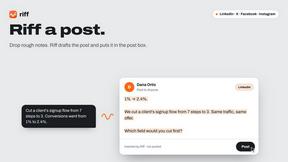
Riff
Free Chrome extension. Paste your rough point and Chrome's built-in AI writes a fresh reply for that post on X, LinkedIn, Facebook or Instagram.
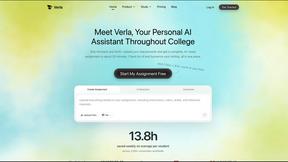
Verla AI
Verla is an AI academic assistant for university and college students, combining AI essay writing, academic research, AI detection.

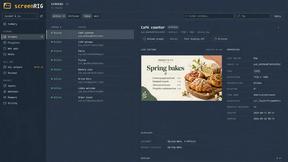
screenRIG
Signage and kiosk infrastructure for AI agents. Your agent publishes images, video, streams, web pages and apps to screens via one plugin.screenRIG is

AUTOMATER.ai
A tray helper for every AI coding tool: one searchable library of past sessions, waiting alerts and usage across 9 providers.

soulcinema
Soul Cinema is a cinematic AI image generator that turns a written shot into a film-grade still, with Soul ID character consistency across a sequence,
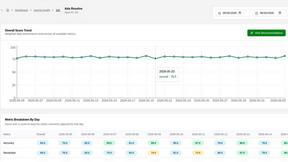

Built2WinWeb
Built2WinWeb is a custom PHP development studio and AI-native infrastructure provider.



Speechyou
AI transcription for voice notes, meetings, and audio files in 1,700 languages, with AI summaries and subtitle export and unlimited chat ai usage.
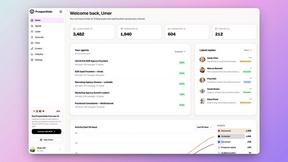
ProspectHalo
AI sales agent that finds qualified leads, runs outreach, follows up automatically, creates content, and helps book more meetings.

benchmark.directory
146 AI tools, grouped by the job you hire them to do. We paid for every one, used it on real work, and wrote down where it stops.
saasgrow.ai
A SaaS directory that turns tools away. Everything listed here was screened and scored out of 100 before publication.

Tools Network
Tools Network is a curated directory of the best AI tools across 25+ categories. Compare ratings, pricing, and features to find the right one, fast.



About Self-Healing Integrations Alternatives
Self-Healing Integrations is an AI-managed integration platform that belongs to the AI Assistants category, designed to replace fragile custom integration projects with a continuously maintained, agentic system. Unlike traditional tools that simply build connections between software, this platform actively monitors, adapts, and repairs integrations after go-live, eliminating the hidden costs of ongoing changes and technical debt. Users commonly seek alternatives when they require a more lightweight solution for simple point-to-point connections, need to reduce per-integration licensing fees, or prefer a DIY approach with full code-level control. Others may evaluate alternatives if their organization demands specific compliance certifications or on-premise deployment that a cloud-native platform cannot accommodate. When evaluating alternatives to Self-Healing Integrations, enterprises should prioritize platforms that offer robust lifecycle management, including automated monitoring, error remediation, and schema drift detection to prevent integration decay. Key considerations include total cost of ownership over 12-24 months, with particular attention to hidden costs from manual maintenance hours and downtime penalties. Look for solutions that provide clear ROI metrics through reduced integration delivery times, decreased break-fix cycles, and measurable improvements in partner onboarding velocity. Additionally, assess whether the alternative offers scalable governance features, such as role-based access controls and audit trails, which are critical for regulated industries managing dozens of active integrations.
FAQs about Self-Healing Integrations Alternatives
What is Self-Healing Integrations?
Self-Healing Integrations is an AI-managed integration platform that not only connects any system but actively keeps those integrations running after deployment. It belongs to the AI Assistants category and replaces traditional custom integration projects with an automated lifecycle that includes monitoring, maintenance, and ongoing adaptation to changes. Unlike static connectors, this platform uses agentic AI to detect and repair issues before they cause downtime, eliminating the integration tax that slows new channel and partner launches.
Who is Self-Healing Integrations for?
Self-Healing Integrations is designed for enterprise teams that manage custom integrations requiring ongoing changes, monitoring, and maintenance after go-live. It is ideal for organizations tired of paying the integration tax that makes every new system, channel, or partner rollout slow and expensive. This platform serves integration architects, IT operations teams, and business leaders who need to reduce manual break-fix cycles and accelerate time-to-value for complex multi-system environments.
What are the main features of Self-Healing Integrations?
The core features include an agentic AI platform that automatically monitors integration health, detects schema drift and API changes, and applies self-healing repairs without human intervention. It provides a complete lifecycle management system that covers every stage from initial build through ongoing maintenance, ensuring integrations remain stable as underlying systems evolve. Additionally, the platform offers real-time visibility into integration performance metrics, automated error logging, and proactive alerts that prevent downtime before it impacts business operations.
Why choose Self-Healing Integrations?
Organizations choose Self-Healing Integrations to eliminate the hidden costs of maintaining custom integrations, which typically consume 30-50% of integration budgets on post-launch fixes and updates. The platform delivers measurable ROI by reducing integration delivery times from months to weeks and cutting ongoing maintenance labor by up to 80%. It also removes the risk of integration decay, where connections silently break due to API version changes or data format shifts, ensuring consistent data flow across all connected systems without dedicated developer oversight.