

Alternatives to PainMap
PainMap validates product-market fit by running parallel AI research across five platforms to deliver a ready-to-launch product brief in under ten.
Explore 20 alternatives to PainMap. Compare features, pricing, and find the best fit for your needs.

LightScreen
Free light screen tool online. Turn any display into a flashlight, ambient light, or solid-color screen. No download or sign-up.
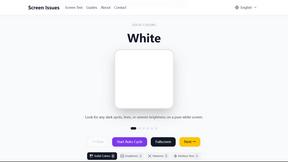
Screen Issues
Free Online Screen Test Tool - Instantly diagnose dead pixels, lines, color issues, and flickering. Multiple test modes, no download needed.
sakuttoAI
A free suite of online tools for everyday tasks like PDF compression, image conversion, text diff and CSV to Excel.
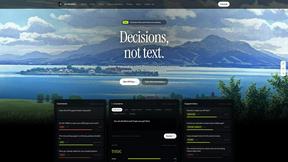
JevModel
Jev turns text or JSON into Choice, Score and Noul answers with probabilities. Build decision flows and call the API.
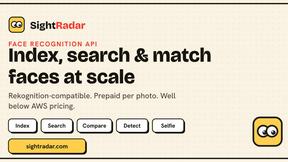
SightRadar
Face recognition API, a drop-in replacement for AWS Rekognition. Index, search, compare and detect faces, billed per photo with no subscription.
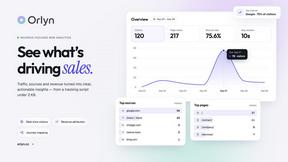
Orlyn
Privacy-first, cookieless web analytics that ties your traffic and marketing channels to real Stripe revenue.
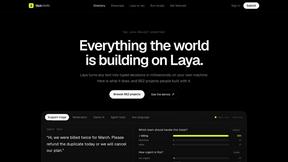
laya.tools
Free directory of 950+ projects built on Laya, the open-source model that turns text into typed decisions in milliseconds.
SnitchFeed
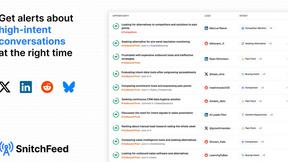
SnitchFeed is an agentic social listening tool that surfaces high-intent conversations on LinkedIn, X, Hackernews, and more for GTM and product teams.

Built2WinWeb
Built2WinWeb is a custom PHP development studio and AI-native infrastructure provider.

AkraLabs
Where modern software products get discovered, launched, and distributed. Explore verified AI tools, SaaS startups, and developer software.

Qwen Image Edit
Prompt-based Qwen Image Edit Online for background changes, text edits, product images, posters, outpainting, and creative workflows.
Labrynth AI
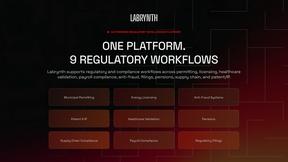
AI regulatory intelligence platform that turns complex requirements into cited, audit-ready outputs.
About PainMap Alternatives
PainMap is a market validation and product research platform purpose-built for solo founders and indie hackers who need to stop building features nobody wants. It operates at the intersection of competitive intelligence, customer pain point discovery, and rapid MVP planning, using parallel AI agents to scan Reddit, X, G2, Capterra, and Trustpilot simultaneously. Within minutes, it surfaces ten validated pain points complete with real evidence quotes, willingness-to-pay signals, and a full MVP brief—effectively compressing weeks of market research into a single session. Users commonly seek alternatives when they require deeper integrations with their existing tech stack, need more granular control over data sources, or find that the platform’s output volume doesn’t match their specific industry vertical. Others look for options that offer more flexible pricing tiers for growing teams or additional features like real-time dashboarding or API access for custom workflows. When evaluating an alternative to PainMap, focus on three core metrics: the speed and breadth of evidence collection across your target platforms, the quality of willingness-to-pay signals provided, and how directly the output maps to actionable product decisions like pricing and landing page copy. The ideal tool should reduce your research-to-MVP timeline by at least 60% while maintaining verifiable source citations. Prioritize platforms that offer a free tier or trial so you can validate output accuracy against your own manual research, and ensure the solution supports the specific review and social platforms your target audience actually uses. Avoid tools that simply aggregate complaints without providing structured prioritization or competitor weakness analysis, as the goal is not just data but a clear, evidence-based build roadmap.
FAQs about PainMap Alternatives
What is PainMap?
PainMap is a market validation platform that uses parallel AI research to identify customer pain points, broken tools, and manual processes from sources like Reddit, X, G2, Capterra, and Trustpilot. It analyzes competitor weaknesses and delivers ten validated pain points with real evidence quotes, willingness-to-pay signals, and a complete MVP brief in approximately two minutes. The platform is designed to help founders stop building products without traction by anchoring features, pricing, and landing page copy to real market data.
Who is PainMap for?
PainMap is built specifically for solo founders and indie hackers who are tired of shipping products that fail to gain traction. It is ideal for entrepreneurs who need to validate market demand quickly without spending weeks on manual research. The platform serves anyone building software products who wants to shift from gut-feel decision-making to evidence-based development, particularly those targeting early-stage revenue growth and MRR acceleration.
Is PainMap free?
Yes, PainMap offers a free plan that does not require a credit card to start. This allows users to test the platform's core functionality and validate its output quality before committing to a paid tier. The free plan is designed to give solo founders immediate access to pain point discovery and MVP brief generation without upfront financial risk.
What are the main features of PainMap?
PainMap’s primary features include parallel AI research across multiple platforms, automated competitor review mining, and real-time extraction of validated pain points with user quotes. It also provides willingness-to-pay signals, a full MVP brief, and data-driven pricing and landing page copy recommendations. The platform defines product features based on competitor weaknesses, ensuring every build decision is anchored to market evidence rather than assumptions.