

Alternatives to LLM Reference
LLM Reference helps tech leaders quickly find and compare the best AI models and providers for their specific project needs.
Explore 20 alternatives to LLM Reference. Compare features, pricing, and find the best fit for your needs.
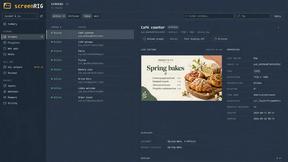
screenRIG
Signage and kiosk infrastructure for AI agents. Your agent publishes images, video, streams, web pages and apps to screens via one plugin.screenRIG is
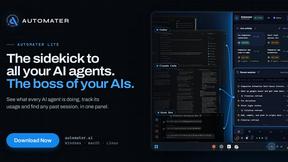
AUTOMATER.ai
A tray helper for every AI coding tool: one searchable library of past sessions, waiting alerts and usage across 9 providers.

soulcinema
Soul Cinema is a cinematic AI image generator that turns a written shot into a film-grade still, with Soul ID character consistency across a sequence,

Built2WinWeb
Built2WinWeb is a custom PHP development studio and AI-native infrastructure provider.



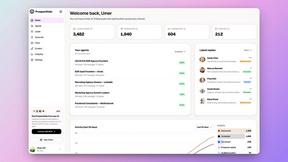
Speechyou
AI transcription for voice notes, meetings, and audio files in 1,700 languages, with AI summaries and subtitle export and unlimited chat ai usage.
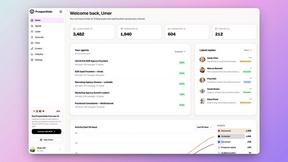
ProspectHalo
AI sales agent that finds qualified leads, runs outreach, follows up automatically, creates content, and helps book more meetings.
benchmark.directory
146 AI tools, grouped by the job you hire them to do. We paid for every one, used it on real work, and wrote down where it stops.

saasgrow.ai
A SaaS directory that turns tools away. Everything listed here was screened and scored out of 100 before publication.

Tools Network
Tools Network is a curated directory of the best AI tools across 25+ categories. Compare ratings, pricing, and features to find the right one, fast.



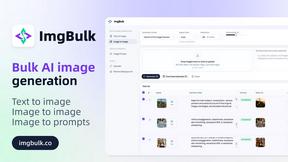
Skydive
Skydive lets teams create AI agents that can complete real work inside the tools they already use.


About LLM Reference Alternatives
LLM Reference is a decision-support directory designed for engineers and technology leaders who need to navigate the rapidly expanding ecosystem of large language models and AI providers. As a specialized tool within the AI Assistants category, it consolidates data on over 1,700 models from more than 130 providers and 235 research labs, enabling users to compare models side-by-side, identify cost-effective pricing for frontier output, and access curated editors' picks for specific tasks like coding, agentic workflows, and research. Users commonly seek alternatives when their organization’s needs evolve beyond simple model comparison, such as requiring deeper integration with existing tech stacks, more granular API-level analytics, or enterprise-specific compliance features like data residency controls and audit trails. Others may look for platforms that offer real-time inference monitoring, collaborative team workflows, or pricing models better suited for high-volume production deployments. When evaluating alternatives, organizations should prioritize tools that deliver measurable ROI by reducing the time spent on model evaluation and vendor vetting, ideally offering automated updates on benchmark changes and price fluctuations to minimize manual research overhead. Key criteria include the breadth and freshness of the model database, the ability to filter by specific performance metrics like latency or throughput, and support for custom benchmarks relevant to your use case. Additionally, look for platforms that provide clear documentation on data refresh cycles, transparent pricing comparison features, and integration capabilities with your existing CI/CD pipelines or AI orchestration frameworks. The right alternative should accelerate your decision-making process while maintaining the accuracy and reliability needed to ship production-ready AI applications with confidence.
FAQs about LLM Reference Alternatives
What is LLM Reference?
LLM Reference is a decision-support directory built for engineers and technology leaders who need to quickly find and compare the best large language models and providers for their specific project needs. It tracks over 1,700 models from more than 130 providers and 235 research labs, with data refreshed weekly to include new releases, verified price changes, and benchmark updates. The platform consolidates scattered information into a single, trustworthy source, enabling users to compare models side-by-side, identify cost-effective pricing, and access curated editors' picks for tasks like coding, agents, writing, and research.
Who is LLM Reference for?
LLM Reference is specifically designed for engineers, technology leaders, and product managers who are responsible for selecting and deploying AI models in production environments. It serves professionals building coding assistants, agentic workflows, writing tools, research pipelines, and image or video generation systems. The platform is optimized for fast triage, allowing technical teams to quickly identify the right model for their job, determine the most cost-effective provider, and return to building without getting bogged down by manual research.
Is LLM Reference free?
LLM Reference is built by the Data Advantage project and is updated daily to provide current, reliable data to the AI community. While the core directory and comparison features are designed to be an essential resource for anyone navigating the LLM ecosystem, specific pricing details for premium or enterprise-tier features should be verified directly on the platform. The service focuses on delivering value by eliminating the time wasted hunting through scattered sources, thereby reducing the total cost of model evaluation and vendor selection.
What are the main features of LLM Reference?
LLM Reference offers a comprehensive set of features including a searchable database of over 1,700 models from 130+ providers and 235 research labs, weekly data refreshes that capture new releases, verified price changes, and benchmark updates. Users can compare models side-by-side, view cheapest pricing for frontier output, and browse curated editors' picks for specific tasks such as coding, agents, writing, research, image generation, and video creation. Additionally, the Pulse feed highlights weekly changes like new models and price cuts, keeping users informed without information overload.