
Image3D AI vs Postproxy
Side-by-side comparison to help you choose the right AI tool.

Image3D AI
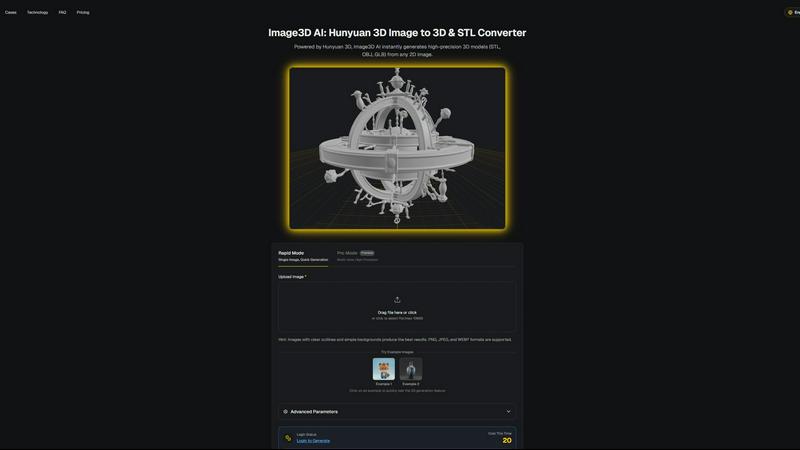
Image3D AI instantly converts 2D images into production-ready 3D models, accelerating asset creation for enterprise.
Last updated: March 1, 2026

Postproxy
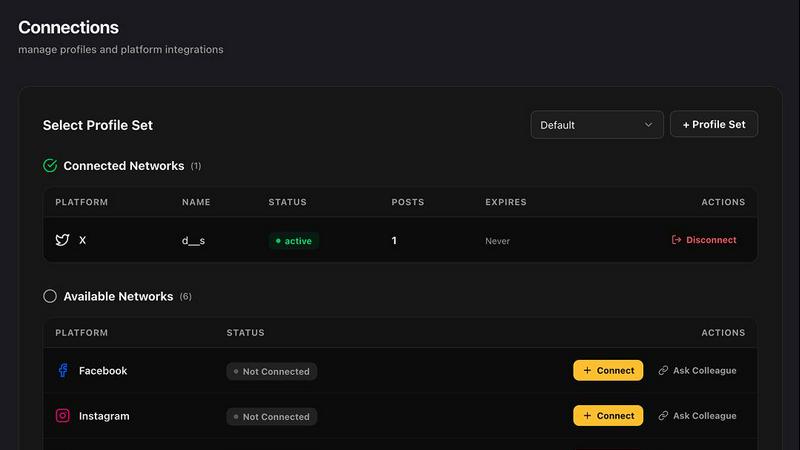
Postproxy streamlines social media publishing by unifying multiple platforms into a single, efficient API solution.
Last updated: February 26, 2026
Visual Comparison
Image3D AI
Postproxy
Feature Comparison
Image3D AI
Hunyuan 3D-Powered Engine
At its core, Image3D AI is powered by Tencent's proprietary Hunyuan 3D engine, a cutting-edge AI technology designed for high-precision 3D reconstruction. This engine performs sophisticated inference from 2D data, enabling the generation of detailed geometry and textures without requiring complex manual modeling. It ensures professional-grade output suitable for demanding applications like 3D printing and game asset development, setting it apart from basic conversion tools.
Dual Generation Modes (Rapid & Pro)
The platform offers two distinct operational modes to match project requirements and resource constraints. Rapid Mode allows for quick generation from a single image, ideal for initial concepts or assets with less geometric complexity. Pro Mode utilizes multi-view images to perform a physically accurate reconstruction, delivering superior precision and detail for complex objects like real-world products, maximizing the quality of the final 3D model.
Multi-Format Export for Professional Workflows
Image3D AI seamlessly integrates into existing professional pipelines by exporting models in industry-standard formats. Users can download assets as STL files for immediate 3D printing, OBJ files for further editing in software like Maya or Blender, or GLB files for web, AR, and real-time applications. This flexibility ensures the generated assets are immediately usable, eliminating post-conversion format barriers.
Optimized Input Guidance & Best Practices
To guarantee optimal results and user success, the platform provides clear, actionable guidance. This includes recommendations for source image selection (high-contrast, clear outlines), explanations of different generation modes, and a comprehensive best practices guide. This proactive support minimizes trial and error, ensuring users achieve high-quality conversions efficiently, which is critical for business productivity.
Postproxy
Unified API Integration
Postproxy provides a single API that abstracts the complexities of multiple social media platforms. This means that developers can integrate one endpoint into their systems, allowing for a more efficient and less error-prone publishing process.
Automatic Content Adaptation
The API automatically adjusts content formats to meet the specific requirements of each social media platform. This feature saves time and minimizes the risk of errors that can occur when manually altering content for different platforms.
Robust Error Handling
Postproxy is built with resilience in mind, handling rate limits, retries, and quotas as first-class concepts. This means that users can publish with confidence, knowing that the system will manage potential failures effectively.
Comprehensive Analytics
The platform includes built-in analytics that provide insights into publishing performance across various channels. Users can track engagement metrics, which helps in optimizing future content strategies and ensuring maximum ROI.
Use Cases
Image3D AI
E-commerce & Product Visualization
Online retailers and brands can instantly convert 2D product photos into interactive 3D models. These models can be used for AR previews, 360-degree viewers, or online 3D showcases, significantly enhancing customer engagement, reducing return rates by providing accurate product representation, and driving sales conversions in a competitive digital marketplace.
Game Development & Interactive Media
Game studios and indie developers can rapidly prototype and generate game-ready 3D assets directly from concept art, sketches, or reference images. The support for PBR materials and standard export formats allows for direct import into engines like Unity or Unreal Engine, dramatically accelerating the asset creation pipeline and reducing dependency on specialized 3D modelers.
3D Printing & Rapid Prototyping
For engineers, product designers, and 3D printing enthusiasts, Image3D AI acts as a powerful image-to-STL converter. It transforms logos, sketches, or photographs of objects into high-precision, watertight mesh files ready for slicing and printing. This streamlines the process of creating physical prototypes, custom parts, and artistic pieces from digital inspiration.
Architectural Visualization & Design
Architects and interior designers can quickly generate basic 3D forms of buildings, furniture, or design elements from sketches or reference images. While not a replacement for detailed CAD work, it provides a rapid starting point for conceptual models, client presentations, and spatial studies, saving valuable time in the early design phases.
Postproxy
Streamlined Social Media Management
For marketing teams managing multiple brand accounts across various platforms, Postproxy simplifies the process of scheduling and publishing content, reducing the time spent on manual management and increasing efficiency.
Automated Content Publishing
Businesses that rely on AI-generated content can use Postproxy to automate their publishing workflow. By integrating with LLMs and other automation tools, they can publish content seamlessly without human intervention.
Multi-Channel Campaigns
When launching marketing campaigns that span multiple platforms, Postproxy allows marketers to publish consistent messaging across all channels simultaneously, ensuring brand integrity and reducing the chances of errors.
Scalable Publishing Infrastructure
As organizations grow, their social media needs become more complex. Postproxy's scalable architecture enables businesses to expand their publishing operations easily without the headaches of managing multiple integrations and platform-specific rules.
Overview
About Image3D AI
Image3D AI is a professional-grade, AI-powered platform that transforms 2D images into production-ready 3D assets within seconds. It directly addresses the significant time and resource investment traditionally required for 3D modeling, offering a strategic solution for businesses and professionals seeking to accelerate digital content creation. By leveraging Tencent's advanced Hunyuan 3D engine, the platform enables users of any skill level to generate high-fidelity 3D models from a single photo or a series of multi-view images. This eliminates the steep learning curve and expensive licensing associated with conventional 3D software like Blender or Maya. The core value proposition lies in its ability to streamline workflows, drastically reduce project timelines from hours to minutes, and unlock new creative and commercial opportunities. Image3D AI is engineered for a diverse enterprise audience, including game developers, e-commerce platforms, 3D printing services, and architectural visualization firms, providing them with a tangible ROI through enhanced productivity and the rapid conversion of visual concepts into tangible, usable 3D assets in formats like STL, OBJ, and GLB.
About Postproxy
Postproxy is a powerful API solution designed to streamline social media publishing across multiple platforms, including Instagram, Facebook, YouTube, LinkedIn, and X. By offering a unified endpoint, Postproxy eliminates the complexities of managing individual platform integrations, such as OAuth authentication, rate limits, and the various idiosyncrasies that each platform imposes. This service is particularly valuable for developers and automators who utilize tools like n8n, Zapier, and CI/CD pipelines to create a seamless content publishing workflow. With Postproxy, users can generate AI-driven content and publish it at scale without manual adjustments, turning what is often a chaotic process into a reliable infrastructure layer. The service is designed to be user-friendly, featuring a free plan that allows users to scale their operations as needed, ensuring that businesses can adapt to growing social media demands without added complexity.
Frequently Asked Questions
Image3D AI FAQ
What image formats are supported for upload?
Image3D AI supports common web image formats including PNG, JPEG, and WEBP. For the best AI processing results, ensure your uploaded file is clear, has a high resolution, and is under the maximum file size limit of 10MB. Images with strong contrast and simple backgrounds typically yield the highest quality 3D conversions.
What is the difference between Rapid Mode and Pro Mode?
Rapid Mode is designed for speed and convenience, generating a 3D model from a single uploaded image in approximately 60 seconds. Pro Mode is for high-precision requirements; it uses multiple images of an object from different angles (multi-view) to create a more accurate and detailed 3D reconstruction, which is essential for complex or symmetrical objects.
Which 3D file format should I download for my project?
The optimal format depends on your intended use. Choose .STL for 3D printing, as it is the standard format for slicer software. Select .OBJ if you plan to edit the model further in traditional 3D software applications. Use .GLB for web, mobile, or augmented reality (AR) applications, as it is a compact, modern format containing both model and texture data.
Do I need any prior 3D modeling experience to use this tool?
No, one of the primary advantages of Image3D AI is that it requires no prior 3D modeling skills. The platform is built to be intuitive and accessible. The AI handles the complex reconstruction process, allowing anyone from entrepreneurs to marketing professionals to generate 3D assets by simply uploading an image and selecting their desired output parameters.
Postproxy FAQ
How does Postproxy handle platform-specific rules?
Postproxy automatically manages the unique rules and requirements of each platform, ensuring that content is formatted and published according to the specific guidelines of Instagram, Facebook, YouTube, LinkedIn, and X.
Can I use Postproxy for free?
Yes, Postproxy offers a free plan that allows you to get started without any upfront costs. This enables you to test the service and scale your publishing needs as your business grows.
What if a publication fails?
Postproxy has built-in error handling mechanisms that automatically retry failed publications and manage rate limits. Users receive clear feedback on what succeeded and what failed, allowing for quick resolution.
Is there documentation available for developers?
Absolutely. Postproxy offers comprehensive documentation that guides developers through the integration process, API usage, and best practices for leveraging the platform's capabilities effectively.
Alternatives
Image3D AI Alternatives
Image3D AI is a professional-grade AI-powered 3D modeling tool within the Design Tools category. It specializes in converting 2D images into high-fidelity, production-ready 3D models, significantly accelerating workflows for 3D printing, game development, and digital content creation. Businesses and professionals often evaluate alternatives to optimize their technology stack. Common drivers include budget constraints, specific feature requirements not covered by a single platform, or the need for integration with existing enterprise software ecosystems. A thorough assessment of total cost of ownership, output quality, and scalability is crucial. When selecting an alternative solution, key considerations should include the accuracy and quality of the generated 3D geometry, the range of supported export formats for downstream use, and the tool's ability to handle complex textures and materials. The ideal platform should demonstrably reduce project timelines and lower the skill barrier for creating viable 3D assets, delivering a clear return on investment.
Postproxy Alternatives
Postproxy is a powerful tool designed for seamless social media publishing, allowing users to connect with multiple platforms, including Instagram, Facebook, YouTube, LinkedIn, and X, through a single API. This service falls under the category of design tools, specifically aimed at developers and automators seeking to streamline their social media management processes. Users often seek alternatives to Postproxy for various reasons, including pricing concerns, specific feature requirements, or the need for compatibility with different platforms. When evaluating alternatives, it is essential to consider factors such as the range of supported social networks, ease of integration with existing workflows, scalability options, and the overall user experience. Additionally, potential users should assess the pricing structures and whether the alternatives offer a free plan to facilitate initial experimentation and growth. A thorough analysis of these aspects will help in selecting a suitable alternative that aligns with organizational goals and enhances productivity.